



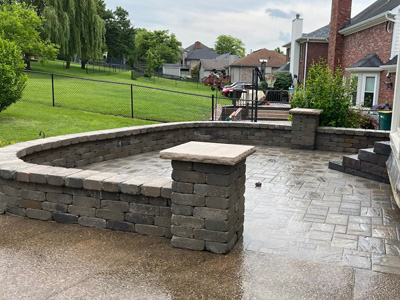
 Kentucky's climate can be unpredictable. Between hot summers, rainy springs, and freezing winters, outdoor surfaces must withstand a wide range of temperatures and moisture levels. When it comes to choosing the right patio material, homeowners often compare pavers and poured concrete. Each option has its advantages, but your final decision should reflect how the material responds to unique weather conditions throughout the year.
Durability, maintenance, and visual appeal all play a role in choosing the right patio surface. But what works in a desert climate or coastal region may not work as well in the Bluegrass State. Kentucky's freeze-thaw cycles, heavy rainfall, and high humidity levels make it essential to choose a material that can withstand the elements over time.
Comparing Paver and Concrete Patios for Kentucky's Climate
Here are key factors to consider when comparing paver patios and concrete patios for local conditions:1. Resistance to Cracking
Concrete patios are prone to cracking due to temperature fluctuations and ground movement. During freeze-thaw cycles, water seeps into small gaps in the surface, freezes, and expands, resulting in the surface cracking. This repeated stress causes the concrete to crack or heave. Pavers are individual units with joints that allow them to shift slightly without damage. This flexibility makes pavers a stronger option during Kentucky's winter and early spring conditions.
2. Drainage and Moisture Control
The spring months can bring substantial rainfall, making drainage a critical issue. Concrete patios must be carefully graded and may require additional drainage systems to prevent pooling. If not installed correctly, standing water can lead to erosion or surface degradation. Pavers allow rain to drain through the joints and into the base layer. Permeable paver systems can even help manage stormwater more effectively, reducing the risk of runoff and pooling.
3. Heat Resistance and Surface Temperature
Concrete patios can absorb and retain a significant amount of heat. During the hot summer months, this can result in an uncomfortably warm surface. Pavers tend to stay cooler, especially when lighter shades are chosen. This helps create a more comfortable surface for walking, relaxing, or entertaining outdoors in the summer heat.
4. Maintenance and Repairs
When damage occurs, repairing a concrete patio can be difficult. Patching typically results in noticeable mismatched sections, and large cracks often require full resurfacing or replacement. Pavers are easier to repair. If one becomes cracked or stained, it can be replaced individually without disturbing the rest of the patio. This makes long-term maintenance simpler and more cost-efficient.
5. Aesthetic Flexibility
While concrete patios offer stamping and coloring options, they have limitations when it comes to texture and layout. Pavers come in a wide variety of shapes, colors, patterns, and styles. This allows for more creativity in design and the ability to match or complement the surrounding landscape or home architecture.
6. Longevity In Variable Conditions
When installed properly, both options can last for many years. However, the effects of seasonal shifts tend to appear more quickly in concrete surfaces. Pavers are designed to handle movement and environmental change more gracefully, often showing fewer signs of aging in climates like Kentucky's.
Build An Outdoor Space That Lasts
Creating a patio is an investment in your outdoor lifestyle, so choosing materials that withstand the test of time is a worthwhile consideration. Seasonal extremes demand surfaces that can flex, drain, and breathe as conditions change. Making the correct choice means fewer headaches, lower repair costs, and a space that stays attractive and usable through every season.For information on our paver or concrete patios, call Unlimited Landscapes, Inc. at 502-254-1201. Alternatively, you can contact us via this Online Form, and one of our experts will get back to you shortly.
<< Back to ARTICLES
Areas We Service in Louisville, Kentucky and Indiana: